ResourcesISO 14617: Graphical symbols for diagrams
Change of state, upper or lower symbol (DWG block)
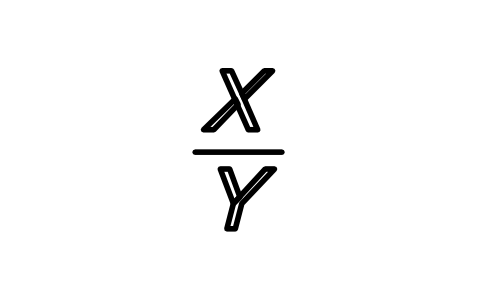
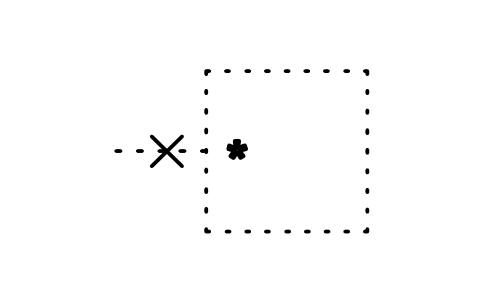
Change of state, upper or lower is a ready-to-use AutoCAD block named ISX_173_CHANGE_STATE_UPPER_OR_LOWER in the ISO 14617: Graphical symbols for diagrams, group “Components, devices, functional units, equipment, plants and functions: Mathematical operations”. It carries 5 attributes, 1 of them visible, so it works in equipment lists and BlockSync exports.

Block details
| Block name | ISX_173_CHANGE_STATE_UPPER_OR_LOWER |
|---|---|
| Library | ISO 14617: Graphical symbols for diagrams |
| Group | Components, devices, functional units, equipment, plants and functions: Mathematical operations |
| Standard | ISO 14617 |
| Attributes | 5 attributes, 1 visible |
Attributes
Visible on the drawing: TAG.
Hidden, they carry the data for schedules: REMARKS, STD_CLAUSE, STD_REF, DESC.
Export the attributes of every copy in a drawing to Excel with BlockSync, check them and write the corrections back in one run.
How to use it
- Download the ZIP and unzip it. It holds one DWG with the block ISX_173_CHANGE_STATE_UPPER_OR_LOWER.
- Open the DWG and copy the block into your drawing, or insert it from the DWG with INSERT.
- Double-click a copy to fill in the tag and the other attributes.
The symbol is our own drawing after the common form of ISO 14617, not a certified copy. The library page explains how the symbols relate to the standard.
Names in other languages
The same symbol under its name in the other site languages.
- English
- Change of state, upper or lower
- Simplified Chinese
- 状态变化,高于或低于设定值
- Traditional Chinese
- 狀態變化,高於或低於設定值
- Japanese
- 状態変化(上側または下側)
- Korean
- 상태 변화, 상한 또는 하한
- German
- Zustandswechsel, oberer oder unterer Wert
- French
- Changement d'état, supérieur ou inférieur
- Italian
- Cambio di stato, superiore o inferiore
- Spanish
- Cambio de estado, superior o inferior