ResourcesISO 14617: Graphical symbols for diagrams
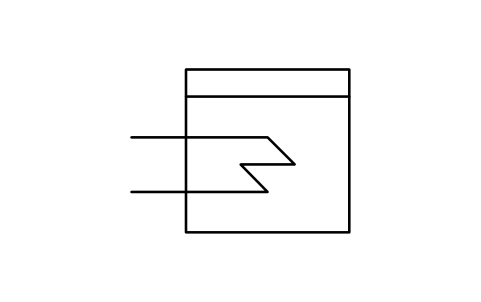
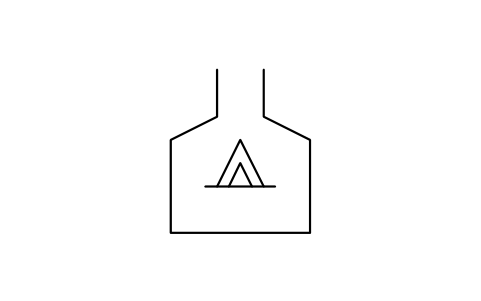
Nuclear reactor, hot-water type symbol (DWG block)
Nuclear reactor, hot-water type is a ready-to-use AutoCAD block named ISX_X2532_NUCLEAR_REACTOR_HOT_WATER_TYPE in the ISO 14617: Graphical symbols for diagrams, group “Boilers, steam generators, furnaces, and hot air generators: examples”. It carries 13 attributes, 1 of them visible, so it works in equipment lists and BlockSync exports.

Block details
| Block name | ISX_X2532_NUCLEAR_REACTOR_HOT_WATER_TYPE |
|---|---|
| Library | ISO 14617: Graphical symbols for diagrams |
| Group | Boilers, steam generators, furnaces, and hot air generators: examples |
| Standard | ISO 14617 |
| Attributes | 13 attributes, 1 visible |
Attributes
Visible on the drawing: TAG.
Hidden, they carry the data for schedules: SERVICE, DUTY_KW, AREA_M2, DESIGN_PRESSURE_BAR, DESIGN_TEMP_C, MATERIAL, MANUFACTURER, MODEL, REMARKS, STD_CLAUSE, STD_REF, DESC.
Export the attributes of every copy in a drawing to Excel with BlockSync, check them and write the corrections back in one run.
How to use it
- Download the ZIP and unzip it. It holds one DWG with the block ISX_X2532_NUCLEAR_REACTOR_HOT_WATER_TYPE.
- Open the DWG and copy the block into your drawing, or insert it from the DWG with INSERT.
- Double-click a copy to fill in the tag and the other attributes.
The symbol is our own drawing after the common form of ISO 14617, not a certified copy. The library page explains how the symbols relate to the standard.
Names in other languages
The same symbol under its name in the other site languages.
- English
- Nuclear reactor, hot-water type
- Simplified Chinese
- 核反应堆,热水型
- Traditional Chinese
- 核反應堆,熱水型
- Japanese
- 原子炉(温水式)
- Korean
- 원자로, 온수형
- German
- Kernreaktor, Heißwassertyp
- French
- Réacteur nucléaire, type eau chaude
- Italian
- Reattore nucleare, tipo ad acqua calda
- Spanish
- Reactor nuclear, tipo agua caliente